
Myopia
What Is Myopia?
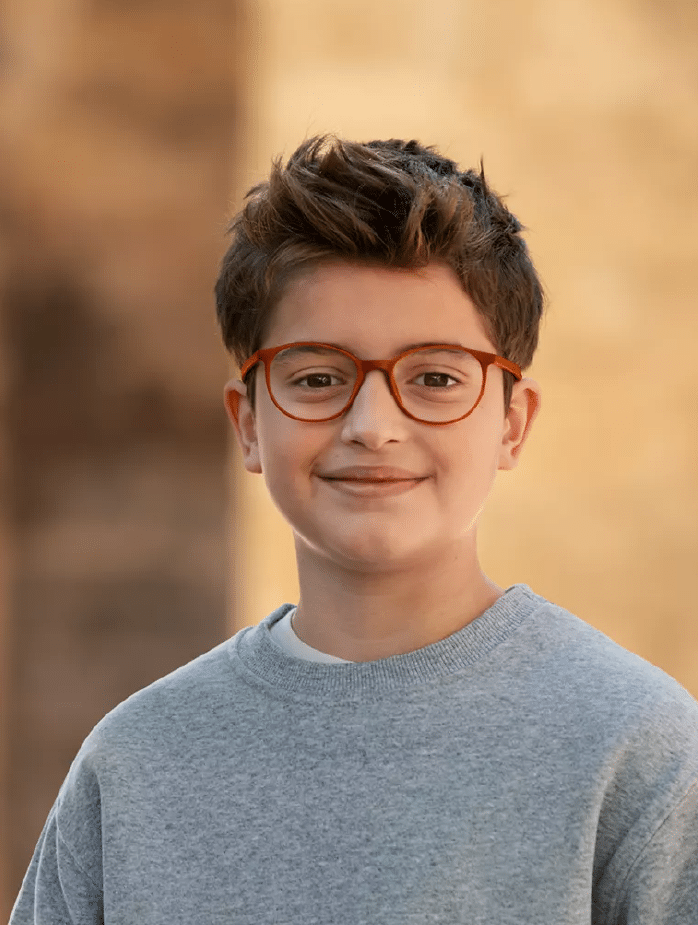
Myopia, or nearsightedness, is a common vision problem that usually begins in childhood. Nearsighted kids can see clearly up close, but objects across the room and far away are blurry. If your child struggles to see clearly at a distance, finds it harder to concentrate at school and is accident prone, they may have myopia.
- Long Eyeball
- Genetics
- Eye Strain
- Irregular Cornea
Myopia occurs when the eyeball is longer than it should be, causing light to focus in front of the retina. 1 in 4 people in the world have myopia. It is best managed early to avoid long-term vision issues.
 Long Eyeball
Myopia occurs when the eyeball is longer than it should be. This causes light to focus in front of the retina.
 Genetics
If both parents are nearsighted, there is a larger risk that their kids will be nearsighted too.
 Eye Strain
Children who spend a lot of time on near activities, like reading and hand-held electronics, have a higher degree of myopia at adult age.
 Irregular Cornea
Another common cause of blurry distance vision, which your optometrist will check for during an eye test.
Mild, Moderate or High
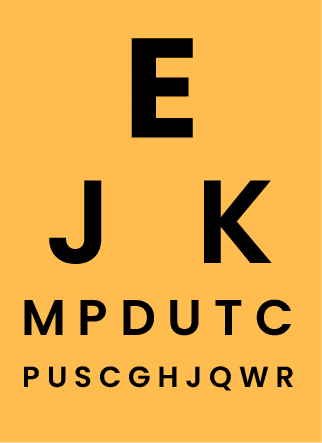
Mild
The severity of myopia is often categorised as mild, moderate or high.
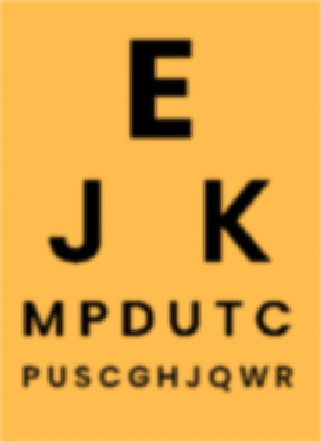
Moderate
The power of prescription lenses is measured in Diopters (D).
High
Lenses that correct myopia have a minus (-) sign before the power number.
Lenses Made for Children
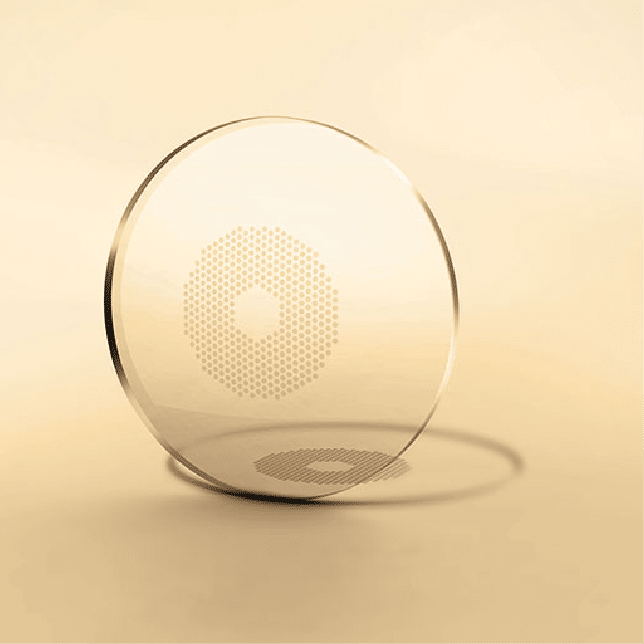
MiYOSMART
Standard spectacle lenses correct myopia but don’t slow it down. MiYOSMART lenses were developed specifically for children so they can go full-steam ahead.
Book a Test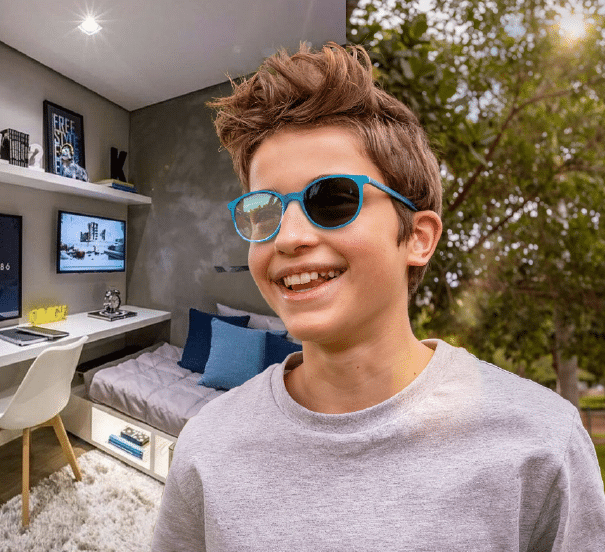
MiYOSMART Chameleon
Smart light-reactive lenses. An all-in-one solution that fades back to clear indoors in seconds, in a stylish, subtle grey with reduced glare.
Book a Test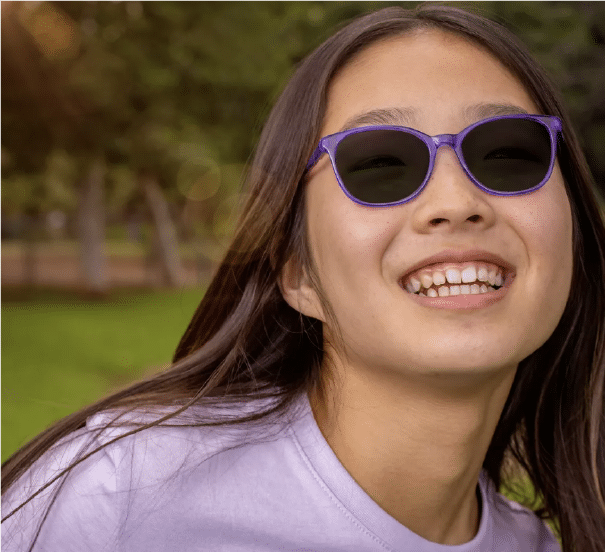
MiYOSMART Sunbird
Smart polarised lenses that manage myopia and let children see outdoor colours as vibrant as their imagination, with greater comfort from glare.
Book a Test
 Intense Sports
Intense sports activities such as soccer and jogging.
 Bikes & Scooters
Riding bikes or scooters.
 Physical Activities
Physical activities such as yoga and dancing.
 Limit Screen Time
Try to limit screen time as appropriate to your child's age. Ask your optometrist for recommendations.
 Take Breaks
Schedule breaks away from digital devices, including physical activities. Frequent breaks improve focus and productivity.
 Get Outside
Spend some time outdoors. Aim to have at least 2 hours outdoors with your child.
 Get Creative
Challenge your child to try something new away from screens. Work together to figure out the best options.